
Roofing Tips & Guides
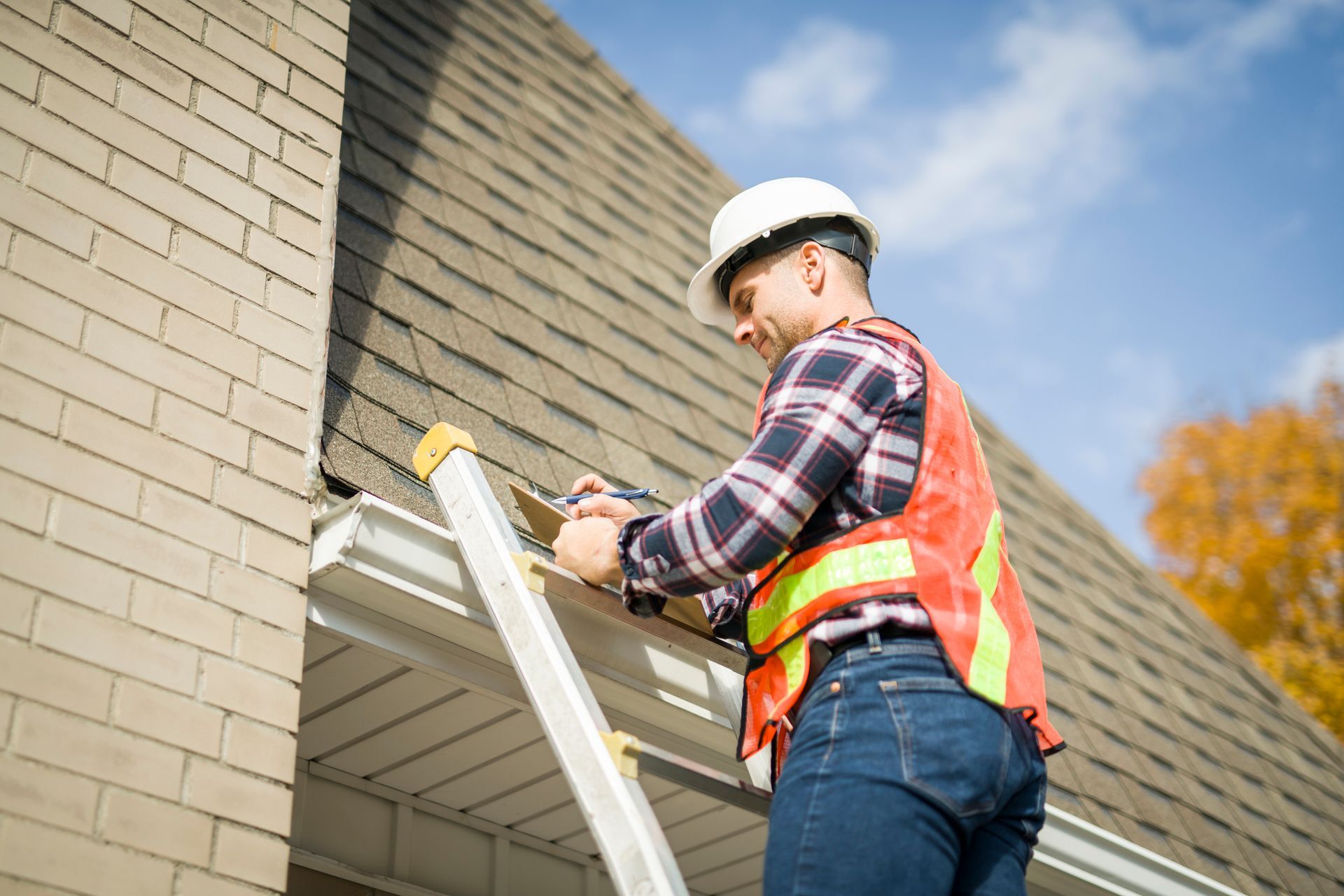
If you’ve never replaced a roof before, the process can feel overwhelming. Here’s a straightforward breakdown of what homeowners in Western PA can expect. Step 1: Inspection and Estimate A roofing professional will assess your current roof, identify issues, and provide a detailed estimate outlining materials, labor, and timeline. Step 2: Material Selection Most homeowners choose asphalt shingles, but options like slate or tile may also be available depending on your home and budget. Step 3: Scheduling the Project Roof replacements are typically scheduled based on weather conditions and availability. In Western PA, spring through fall is the most common window. Step 4: Tear-Off and Installation Your old roofing materials are removed down to the decking. Any damaged wood is replaced before new materials are installed. Step 5: Cleanup and Final Inspection A professional crew will thoroughly clean the site and perform a final inspection to ensure everything meets quality standards. How Long Does It Take? Most residential roof replacements are completed in 1–3 days, depending on size and complexity. Peace of Mind A properly installed roof not only protects your home but can also improve energy efficiency and increase property value.
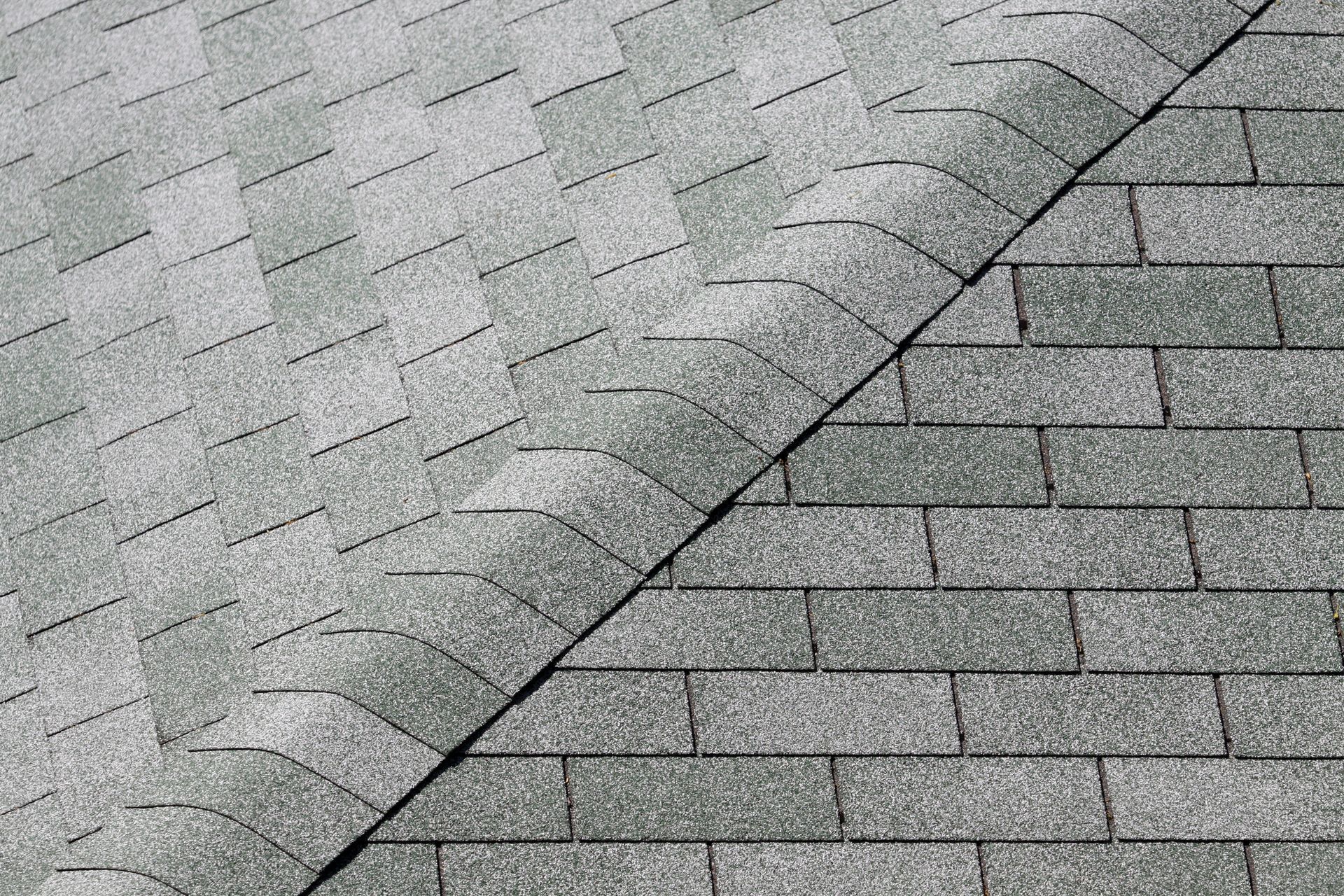
Western PA weather isn’t easy on roofs. From freeze-thaw cycles to summer storms, homeowners deal with a unique set of roofing challenges. Ice Dams in Winter Snow melts and refreezes at the edge of your roof, creating ice dams that prevent proper drainage. This can force water under shingles and into your home. Storm Damage High winds and heavy rain can loosen shingles, damage flashing, and expose vulnerable areas of your roof. Poor Ventilation Improper attic ventilation leads to heat and moisture buildup, which can shorten the lifespan of your roof and increase energy costs. Flashing Failures Flashing around chimneys, vents, and skylights is a common weak point. When it fails, leaks often follow. Moss and Algae Growth The humid climate in Western PA makes roofs susceptible to moss and algae, which can trap moisture and degrade roofing materials over time. Preventative Maintenance Matters Routine inspections and maintenance can catch these issues early—before they turn into expensive repairs.
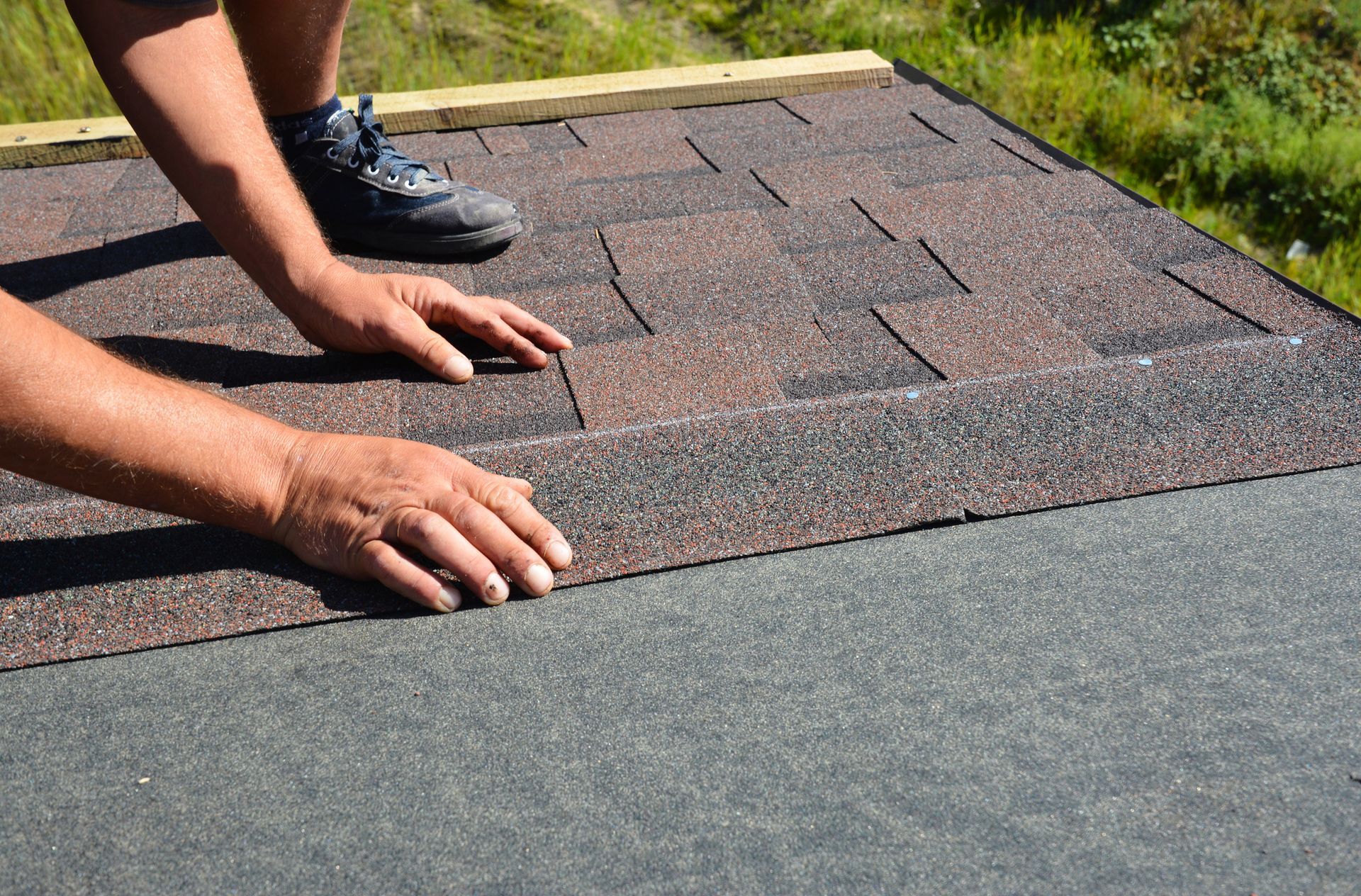
Your roof is your home’s first line of defense against the elements—but in Western Pennsylvania, with its mix of heavy rain, snow, and seasonal temperature swings, roofing systems take a beating. Knowing when to act can save you thousands in damage. 1. Missing or Damaged Shingles If you notice shingles that are cracked, curling, or completely missing, your roof may already be vulnerable to leaks. Even a few damaged shingles can lead to bigger problems if ignored. 2. Water Stains or Interior Leaks Brown stains on your ceiling or walls are a clear sign water is getting in. By the time you see these, the issue has often been developing for a while. 3. Granules in Your Gutters Asphalt shingles shed granules as they age. If you’re seeing a buildup in your gutters, your roof may be nearing the end of its lifespan. 4. Sagging Rooflines A sagging roof is a serious structural concern that requires immediate attention. This can be caused by trapped moisture or underlying support issues. 5. Your Roof Is 20+ Years Old Most asphalt roofs last around 20–25 years. If yours is approaching that age, it may be more cost-effective to replace rather than repair. Repair or Replace? Minor damage can often be repaired, but widespread issues or aging materials usually point to replacement. A professional inspection is the best way to know for sure.